In Flight Advisories: AIRMET, SIGMET, Convective SIGMET, CWA

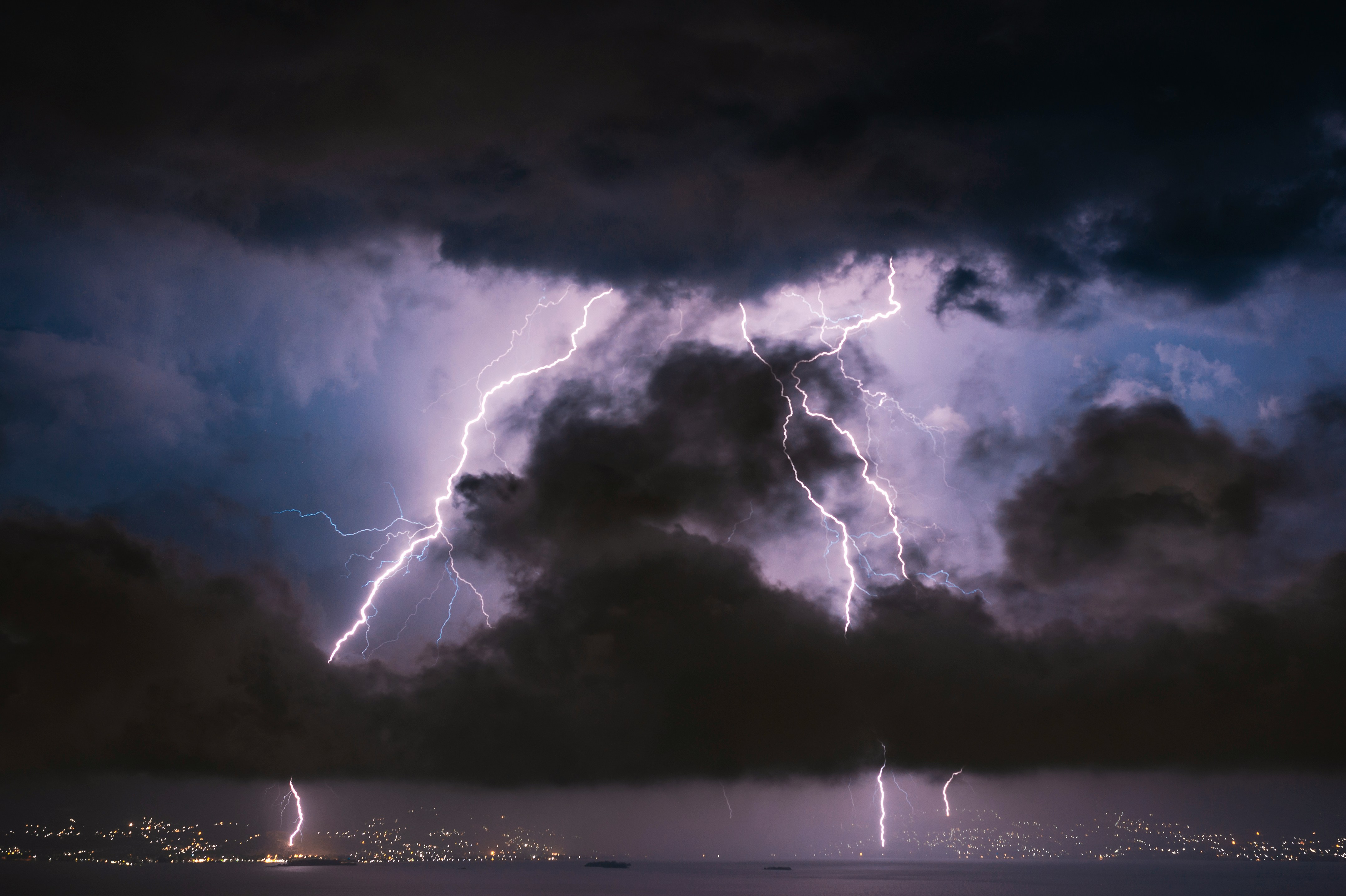
AIRMETs, SIGMETs, and CWAs are key in flight advisories that every pilot and dispatchers look at to see any potential dangerous area of flight. These advisories alert pilots of many potential hazardous weather such as turbulence, icing, mountain obscuration, visibility, etc.
AIRMETs, SIGMETs, and CWAs within the conterminous U.S. are issued by the Aviation Weather Center (AWC) in Kansas City, MO, as well as 20 Center Weather Service Units (CWSU) associated with ARTCC.
There are four in flight advisories, AIRMET (Airmen's Meteorological Information), SIGMET (Significant Meteorological Information), Convective SIGMET, and CWA (Center Weather Advisory).
AIRMET and G-AIRMET
AIRMETs are textual inflight advisories that report moderate weather conditions such as turbulence, icing, IFR, and winds. It is not as severe as a SIGMET, however, it is still imperative for pilots to be familiar with the areas that are issued. It is issued every 6 hours and valid for 6 hours.
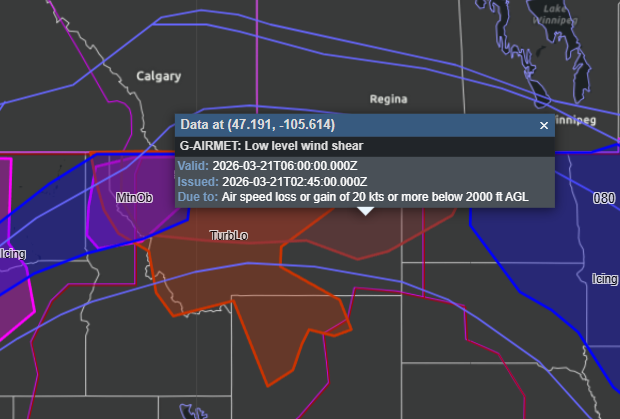
G-AIRMET is a graphical advisory that takes the textual format of an AIRMET and disseminate the information on websites such as AviationWeather.gov.
It is updated every 3 hours and can be valid for 12 hours and it can be issued for:
- Turbulence: Moderate
- Icing: Moderate
- Low-Level Wind Shear (LLWS): Wind shear below 2,000 ft AGL and +- 20 knots
- Strong Surface Winds: Winds over 30 knots.
- Freezing Levels: Lowest freezing level above ground or surface.
- IFR (Visibility and Ceiling): Ceilings below 1,000 ft AGL and/or visibility under 3 miles.
If you were wondering about the categories of Zulu, Sierra, or Tango, as of January 2025, the legacy way of reporting AIRMETs called "TAC AIRMETs", has been discontinued.
SIGMET
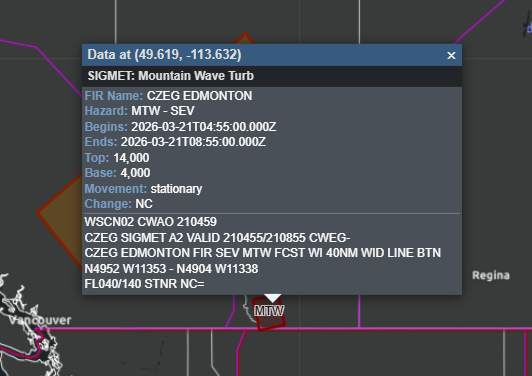
SIGMETs are significant weather advisories that are issued for severe defining weather. It is an unscheduled report that is valid for 4 hours, expect for if there is an volcanic ash or tropical cyclone, in which it is valid for 6 hours.
SIGMETs are issued for the following conditions:
- Severe icing not associated with thunderstorms.
- Severe or extreme turbulence or clear air turbulence (CAT) not associated with thunderstorms.
- Widespread dust storms or sandstorms lowering surface visibilities to below 3 miles.
- Volcanic ash.
Outside the 48 continuous United States, a SIGMET will be issued for convective hazardous weather. There is no Convective SIGMET.
Convective SIGMET
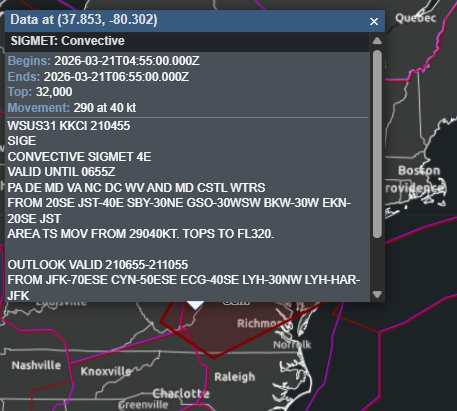
Convective SIGMET are unscheduled in flight advisories that are convective hazardous weathers. It is valid for 2 hours once reported. This is considered the heaviest level advisories a forecaster can give, and in almost all cases, no aircraft should fly through the area.
- Severe thunderstorm due to:
- Surface winds greater than or equal to 50 knots.
- Hail at the surface greater than or equal to 3/4 inches in diameter.
- Tornadoes.
- Embedded thunderstorms.
- A line of thunderstorms.
- Thunderstorms producing precipitation greater than or equal to heavy precipitation affecting 40 percent or more of an area at least 3,000 square miles.
- Any weather that the forecaster feel that may be hazardous to a flight
CWA
CWA is exactly what the name means, it is a weather advisory made by the meteorologist from the CWSU that may not meet the criteria for SIGMETs or AIRMETs, but it may be important for the safety of a flight. It can also supplement more information to SIGMETs and AIRMETs.
CWA is unscheduled and is valid for 2 hours once issued.
Issues and valid times, criteria, and regulations sourced from the FAA website.